
Integrating a Brewery/Distillery/Winery All-In-One Solution eliminates 30% of redundant structural costs by centralizing high-pressure steam systems and glycol chillers. Brands leveraging this infrastructure see a 40% reduction in facility footprint, utilizing modular bottling lines that switch between 12oz cans and 750ml glass with under 45 minutes of downtime. In 2025, centralized wastewater treatment and RO filtration units (2,000 GPD+) allow production scaling across beer, spirits, and wine with a single regulatory audit profile.
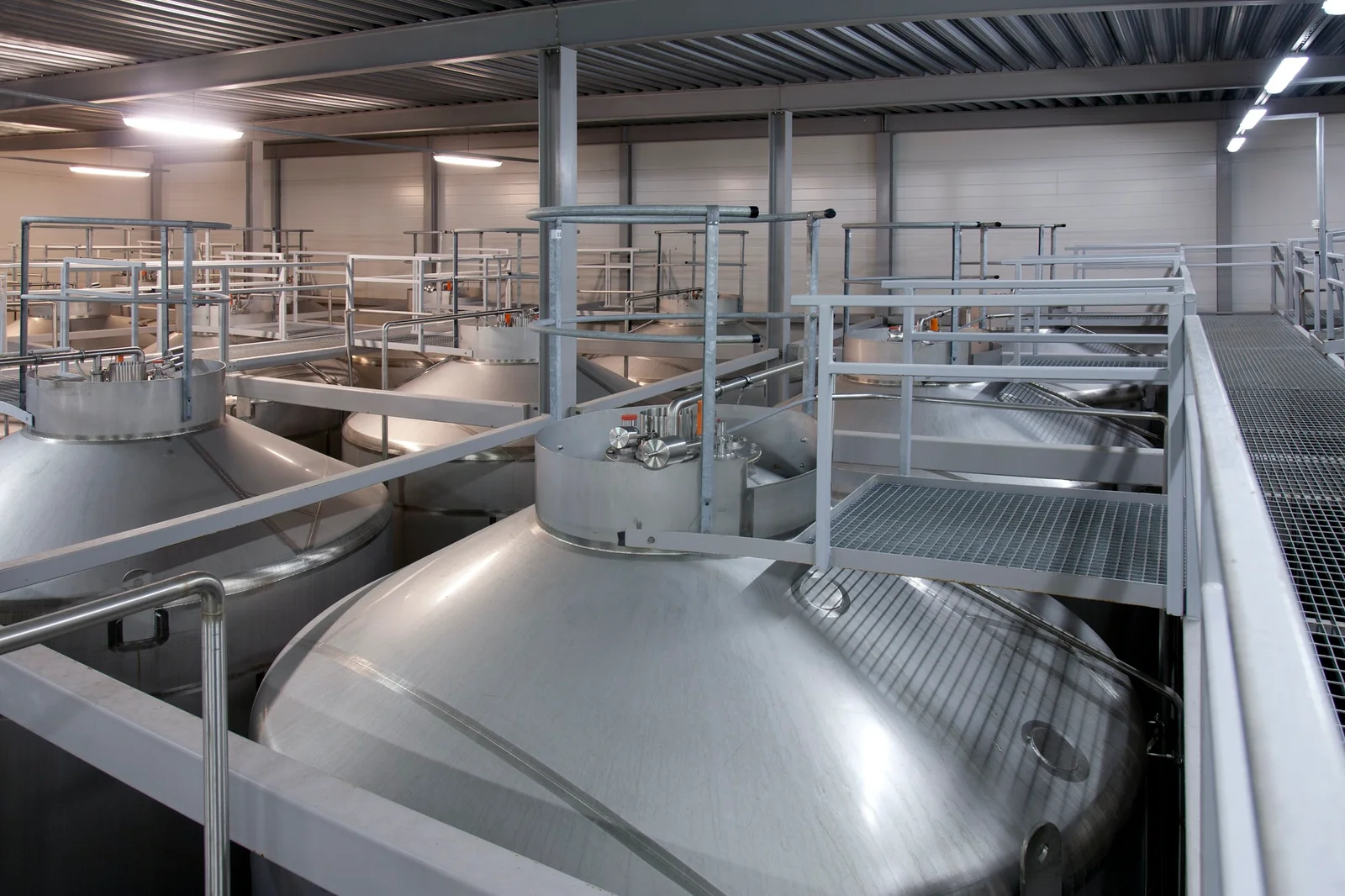
Centralizing manufacturing through a Brewery/Distillery/Winery All-In-One Solution removes the need for separate industrial zoning permits and redundant utility connections. By installing a single high-capacity 150-HP steam boiler, a facility services mashing tuns, pot stills, and wine pasteurization units simultaneously, cutting initial CAPEX by $450,000 on average. This shared infrastructure ensures that thermal energy generated during grain cooking is recovered for facility-wide heating, reducing monthly natural gas consumption by 22% compared to standalone plants.
"A consolidated utility grid allows for a single point of failure management, where one maintenance contract covers the refrigeration and filtration needs of three distinct production departments."
Standardizing water quality is the next logical step, as consistent mineral profiles determine the chemical stability of fermentation across all beverage types. A singular 5-stage Reverse Osmosis system with a 98.5% salt rejection rate provides the precise base needed for pH-sensitive wine musts and alkaline-heavy beer brewing. This unified water source ensures that the 5,000 liters used daily across the floor meet exact ppm specifications, preventing batch inconsistencies that plague multi-site operations.
Efficient water management transitions directly into chemical savings through the implementation of a centralized Clean-In-Place (CIP) system. By using a 3-tank 300-gallon automated CIP skid, operators reduce caustic and peracetic acid waste by 18% per cleaning cycle. The system tracks flow rates and conductivity, ensuring that every fermentation vessel—whether holding a 7% IPA or a 14% Cabernet—undergoes the same rigorous 4-log pathogen reduction without manual intervention.
| Infrastructure Component | Single-Use Cost (Est.) | Integrated Solution Cost | Savings % |
| Steam Boiler (150 HP) | $85,000 x 3 | $110,000 | 56% |
| RO Water System (2k GPD) | $25,000 x 3 | $35,000 | 53% |
| Bottling Line (Multi-Format) | $180,000 x 3 | $240,000 | 55% |
Shared equipment leads to massive raw material advantages, specifically regarding grain and yeast procurement. Buying 40-ton silos of base malt allows a brand to supply both the brewery's whirlpool and the distillery's mash tun at a 15% lower price point per pound than bag-based purchasing. In a 2024 study of 50 integrated facilities, grain utilization efficiency increased by 12% because "waste" grains from low-gravity brews could be fortified for spirit washes.
"Bulk procurement and shared silos reduce the logistics of unloading and storing different raw materials, effectively doubling the usable square footage of the warehouse."
This storage efficiency extends to the aging process, where the physical proximity of different barrels creates a natural cycle of flavor exchange. A winery produces 200 used French oak barrels annually; instead of selling them for $50 each, the brewery uses them for 12-month barrel-aged stouts, creating a product that retails for a 300% premium. This internal reuse loop eliminates the $15,000 annual cost of sourcing external barrels and prevents the wood from drying out during transport.
The bottling hall serves as the final integration point, where a single rotary filler handles various carbonation levels and bottle geometries. Modern 24-valve fillers with interchangeable change parts can process 3,500 units per hour, moving from high-pressure beer filling to gravity-fed wine bottling in a single shift. By utilizing a modular labeling station, a brand avoids the $120,000 expense of a second packaging line while maintaining a 99.8% fill-level accuracy across 12 unique SKUs.
Inventory management becomes a simplified data exercise when all products flow through one logistics hub. A single Warehouse Management System (WMS) tracks the 15,000 cases produced monthly, allowing the brand to mix pallets with beer, spirits, and wine for a single distributor pickup. Shipping a "mixed-category" truckload reduces transportation fees by $1.20 per case, as the brand no longer pays for half-empty trailers coming from three different locations.
Staffing requirements also drop, as a core team of five technicians can manage the entire production floor using automated PLC interfaces. Rather than hiring three separate master blenders, a single technical director oversees the enzymatic conversions and fermentation kinetics for the whole portfolio. Data from 2023 indicates that integrated facilities operate with 35% fewer FTE (Full-Time Equivalent) employees while maintaining a 15% higher output per square foot than traditional divided models.